Week 1-Hard Light vs. Soft Light: Photography Club in Pensacola
- Melonie Marie McEver
- Jan 4
- 7 min read
Updated: 4 days ago
Week 1: Hard Light vs. Soft Light —
Photography Club in Pensacola Home Challenge: Find and photograph a distinct shadow.

This week’s lesson introduces the fundamentals of light quality and challenges you to observe how different light sources sculpt form. You’ll learn to spot hard, defined shadows and soft, gradual transitions; experiment with both indoors and outside; and submit one compelling shadow image. Use this exercise to sharpen observation, practice exposure control, and stretch your creativity. Share your results with the group and get feedback from fellow members of the Power of Photography Club in Pensacola WAPC.
At its simplest, “hard” light produces strong, well-defined shadows with crisp edges, while “soft” light wraps around subjects and creates gentle, feathered transitions. Hard light comes from a small, concentrated source relative to the subject (noon sun, a bare flash), and soft light comes from a large or diffused source (overcast sky, window light, bounced flash). Understanding this distinction helps you choose lighting to match mood — dramatic contrast or subtle tonality — and teaches you how to manipulate everyday light to tell stories for the Power of Photography Club in Pensacola WAPC.
Hard light’s characteristics are bold: deep shadows, high contrast, bright highlights, and clear texture definition. It emphasizes form and geometry, making it excellent for dramatic portraits, architectural studies, and any scene where texture and edge are central. When photographing hard light, you’ll notice hard shadow edges, stark separation between light and dark, and potentially blown highlights if exposure isn’t managed. Practicing with hard light trains you to read shadow direction and angle quickly and intentionally, a skill we encourage in the Power of Photography Club in Pensacola WAPC.
Soft light, by contrast, reduces contrast, softens skin and surfaces, and produces gradual tone shifts rather than harsh borders. This quality is flattering for portraits and product photography, where even tonality is desirable. Soft light is forgiving with exposure and reveals subtle textures without inky blacks. Learning to seek or create soft light will improve your ability to manage mood and atmosphere in images, and it teaches restraint — how to let detail emerge gently. These are core lessons shared in workshops organized by the Power of Photography Club in Pensacola WAPC.
Shadows form whenever an object blocks light, but their character depends on the relationship between source size, distance, and angle. A small source far from the subject behaves like a point source and casts hard shadows, while a large source close to the subject covers more angles and reduces shadow edge definition. Distance affects intensity and falloff; angle controls shadow length and direction. Observing these physical behaviors will help you craft shadows intentionally and anticipate how moving a light or subject alters the scene — a practical focus in the Power of Photography Club in Pensacola WAPC curriculum.
To create or accentuate hard light for striking, defined shadows, use direct, undiffused sources: midday sun, a bare speedlight, or a small lamp. Try backlighting a subject with late-afternoon sun to produce elongated silhouettes and crisp shadow lines. Indoors, remove modifiers and position a single small light close to foreground objects or use a snoot to narrow the beam. These techniques force clear shadow shapes and bring stark geometry into your frame — techniques demonstrated during live sessions hosted by the Power of Photography Club in Pensacola WAPC.
Soft light is accessible and easy to create: shoot on overcast days, use window light with sheer curtains, bounce flash into ceilings or white walls, or place a diffuser between source and subject. Large softboxes, umbrellas, and DIY diffusion panels (white bedsheets, tracing paper) expand the light source and wrap it around forms. Soft light works well for subtle shadow studies where gradation and texture are important rather than rigid lines. These DIY approaches are commonly shared among members of the Power of Photography Club in Pensacola WAPC for at-home practice.
Camera settings for hard light situations require attention to highlights and shadow detail. Start with spot or evaluative metering depending on what you want preserved — if highlights are critical, meter for them and let shadows clip; if you want shadow detail, meter midtones and use exposure compensation. Use low ISO to preserve detail, and choose shutter speed and aperture to control motion and depth of field. In bright sun, faster shutter speeds and smaller apertures help retain detail across the frame, a technical habit emphasized by instructors at the Power of Photography Club in Pensacola WAPC.
For soft-light shooting, expose to preserve midtones and texture. A slightly wider aperture gives subject separation and soft bokeh, while moderate shutter speeds ensure sharpness without noise from high ISO. If the scene is low contrast, raise exposure carefully to avoid noise in shadows; shoot RAW so you have latitude in recovery. Use reflectors to add gentle catchlights or subtle fill. Soft light often rewards slower, more deliberate composition and encourages exploring subtle tonal shifts — a stylistic focus in many Power of Photography Club in Pensacola WAPC critiques.
Composition for shadow photography elevates the exercise beyond a technical demo into art. Treat shadows as shapes and leading lines: use diagonal shadows to lead the eye, negative space to isolate forms, frame subjects with shadow patterns, and play with symmetry or repetition from blinds, fences, or foliage. Think in layers — shadow foreground, subject midground, and lighted background — to create depth. Consider abstract crops where the shadow itself becomes the subject rather than its source, an approach often highlighted in Power of Photography Club in Pensacola WAPC portfolio reviews.
Subjects that yield distinct shadows are everywhere if you look closely: architectural details cast crisp geometric shadows, household objects like chairs and plants make compelling silhouettes, and human figures yield expressive poses and elongated forms. Street photography offers dynamic cast shadows from signage, bicycles, and pedestrians. Macro or still-life approaches let you study micro-shadows on textured surfaces. Reframing familiar objects into new compositions is a favorite challenge assigned to members of the Power of Photography Club in Pensacola WAPC to boost creative vision.
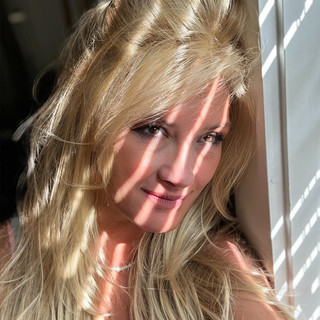
Indoors, windows are among the most accessible light sources for this challenge. Watch for direct sunlight streaming through panes and the patterns it creates on floors or walls. Move curtains and blinds to sculpt lines and place objects strategically in shafts of light to see how edges sharpen and soften. Use a tripod for precision when exposures lengthen, and experiment with manual focus to pin down fine edges. Indoor lamp setups provide smaller, harder sources for chiaroscuro-style portraits, techniques often explored in Power of Photography Club in Pensacola WAPC workshops.
Outdoors, time of day massively affects shadow quality. Midday sun throws hard, short shadows with strong texture; early morning and late afternoon produce long, angled shadows rich with warm tonality. Overcast skies eliminate distinct shadows and serve as excellent soft-light environments. Rooftops, alleys, and parking structures create high-contrast pockets of light and shadow even when sun angles are low. Scout locations and return at different times to study how shadow geometry shifts — a recommended practice in the Power of Photography Club in Pensacola WAPC field exercises.
Using flash strategically allows you to craft shadows intentionally. A single off-camera flash placed low and to the side creates dramatic hard shadows; adding a reflector on the opposite side softens contrast. Bouncing flash into a ceiling yields a softer wraparound light, minimizing harsh edges. Combine ambient and flash to balance exposure: expose for ambient shadows and use flash to lift primary subject detail. Grids and snoots confine light and create precise shadow lines — lighting techniques frequently demonstrated at Power of Photography Club in Pensacola WAPC instructional nights.
Metering tools and histograms are valuable in high-contrast shadow work. Don’t rely solely on the camera’s LCD; check histograms to ensure highlights aren’t irretrievably clipped. Use highlight warnings, spot metering, and exposure compensation to preserve intended areas. In extreme contrast, consider bracketing for HDR blending, but use it sparingly; sometimes a single, intentional exposure that embraces shadows communicates mood better than a fully restored HDR image. These practical technical checks form part of the Power of Photography Club in Pensacola WAPC guidance for consistent results.
Post-processing for shadow images is where you refine storytelling. Shoot RAW for maximum latitude. Use curves to deepen shadows or subtly lift detail, control contrast with the tone curve, and apply local adjustments to target areas. Clarity and texture sliders can emphasize surface detail, while dodge and burn work sculpturally to refine shape. Avoid over-recovery that introduces noise or halos — preserving deep blacks can strengthen composition. Converting to monochrome often clarifies form and shadow interplay, a finishing technique often suggested by editors at the Power of Photography Club in Pensacola WAPC.
When preparing an image for critique or submission, use a checklist: clear subject-shadow relationship, intentional composition, controlled exposure, minimal post-processing artifacts, and a narrative or emotional intent. Include camera settings and the time of day in your submission notes to provide context. Explain creative choices like deliberate clipping or silhouette emphasis. A concise caption about how you found the shadow and why you composed the shot helps reviewers connect to your process — a practice encouraged by members of the Power of Photography Club in Pensacola WAPC.
Safety and permissions are important while hunting shadows. Don’t trespass on private property, and be cautious near roads, rooftops, or hazardous locations when chasing dramatic light. When photographing people, obtain model releases if images will be used commercially or printed. Be mindful of privacy in residential areas; if individuals are recognizable, secure consent. Keep equipment secure and avoid placing tripping hazards in pathways when setting up reflectors or lights. These responsible practices are reinforced in the community guidelines of the Power of Photography Club in Pensacola WAPC.
For POP magazine and club sharing, format images per submission guidelines: JPEG at recommended resolution, include a short description, EXIF data if possible, and any release forms. Present your best single image for this home challenge, accompanied by a brief note describing location, time, gear, and creative intent behind the shadow capture. Participate in critique sessions to receive constructive feedback, and consider revisiting the location after edits or different light to produce a stronger series — a workflow frequently used by contributors to the Power of Photography Club in Pensacola WAPC.
Recap and encouragement: this home challenge — find and photograph a distinct shadow — will sharpen your observational skills, technical control, and compositional instincts. Experiment broadly: try hard light and soft light, vary viewpoints, use DIY modifiers, and process thoughtfully. Submit your favorite frame, describe what you learned, and engage with critiques; photography improves when you practice deliberately and discuss outcomes with peers. Have fun capturing compelling shadows, push your creative boundaries, and bring your work to the next meetup hosted by the Power of Photography Club in Pensacola WAPC.


Comments